Every breakthrough and progress
It is our continuous pursuit of technological innovation

Every breakthrough and progress
It is our continuous pursuit of technological innovation
In high-performance epoxy coating systems, the selection of curing agents is not simply a matter of achieving chemical crosslinking. The molecular structure of the curing agent plays a critical role in determining the final coating properties, including adhesion, flexibility, chemical resistance, curing speed, and long-term durability. By selecting the right curing chemistry, formulators can significantly optimize epoxy coatings for different application environments.
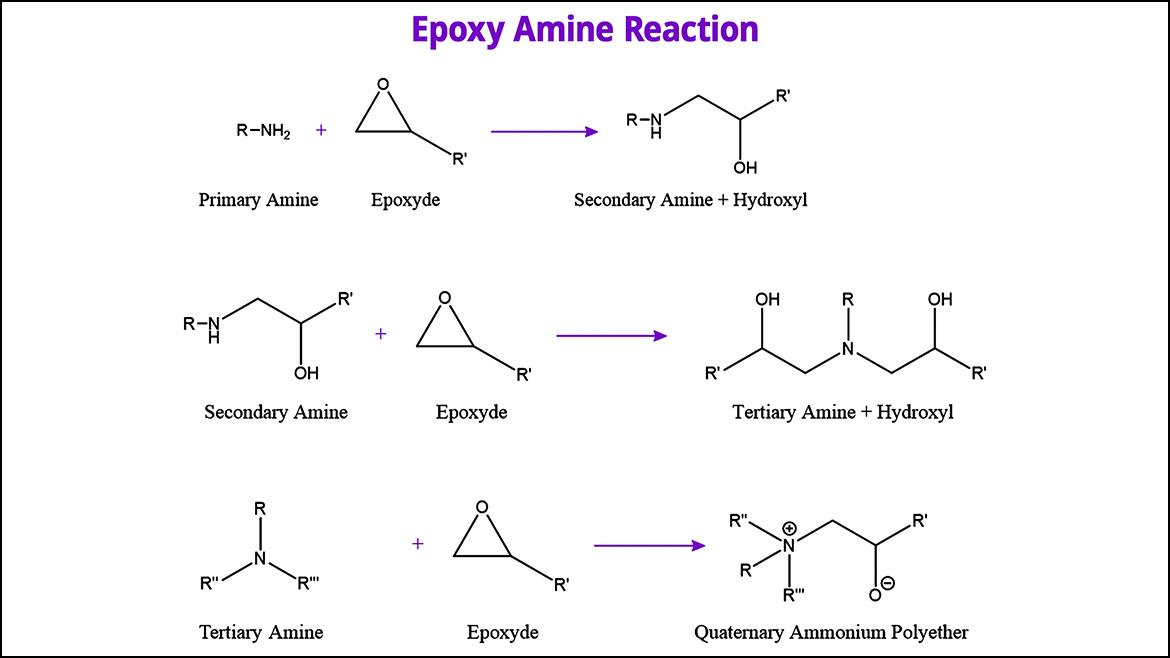
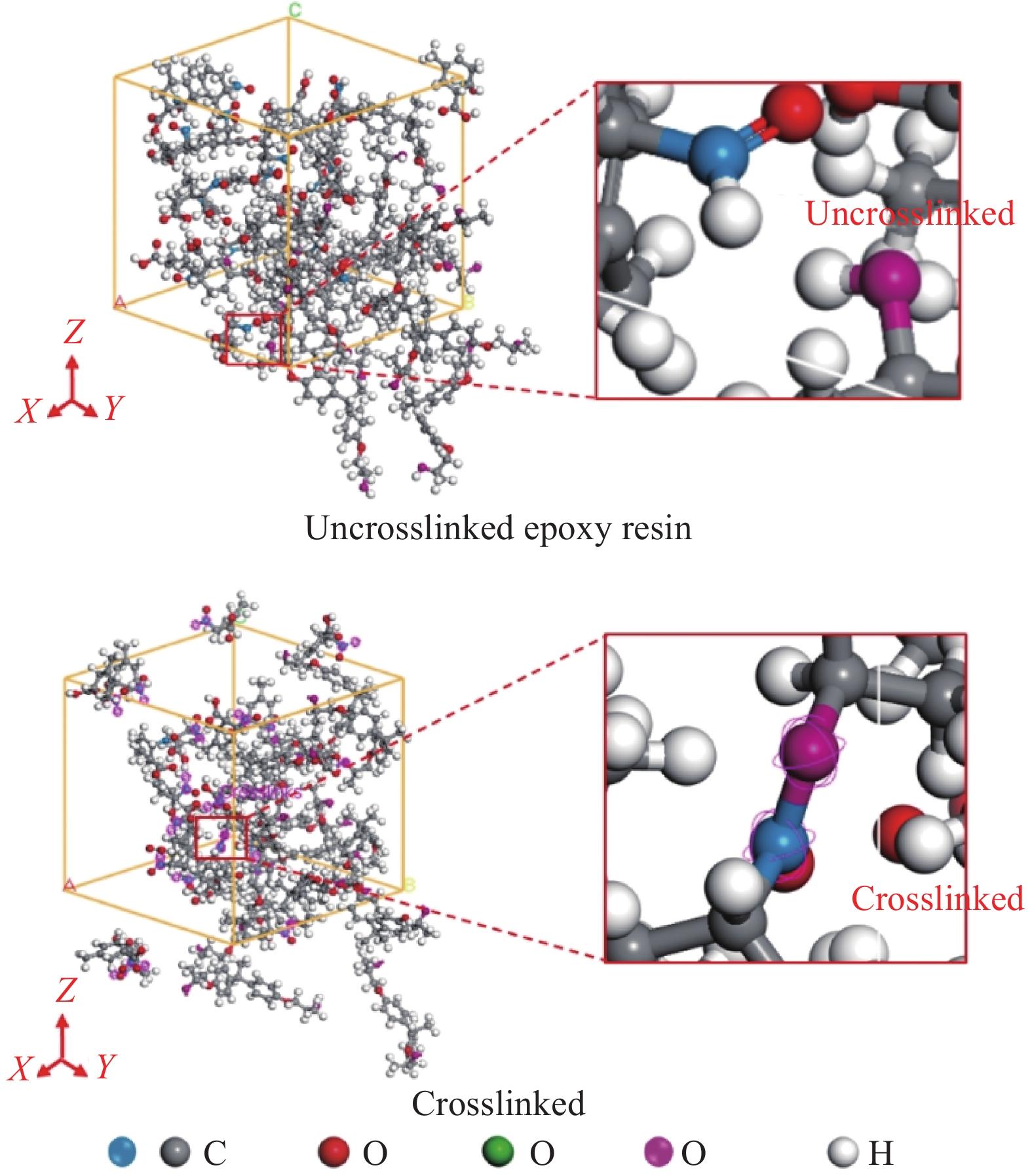
The performance of an epoxy coating is strongly influenced by factors such as amine functionality, molecular flexibility, and the density of the crosslinked network. Curing agents with higher functionality or greater reactive density generally promote a higher crosslink density, resulting in higher hardness, better chemical resistance, and improved thermal performance. However, excessive crosslink density may also increase brittleness and reduce impact resistance. Therefore, achieving the right balance between strength and toughness is essential in epoxy formulation design.
For example, Aliphatic amine curing agents generally provide high reactivity and fast curing speed, enabling rapid strength development. Cycloaliphatic amine curing agents offer a good balance of mechanical performance, chemical resistance, and weathering resistance, making them suitable for high-performance protective coatings and industrial applications.
Polyamide curing agents, with their flexible molecular chains, can improve toughness, impact resistance, and adhesion. They are widely used in epoxy adhesives, floor coatings, and applications where flexibility and durability are required. Phenalkamine curing agents, based on modified phenolic amine chemistry, provide outstanding low-temperature curing capability, moisture tolerance, and excellent adhesion to damp substrates, making them ideal for marine coatings, heavy-duty anti-corrosion coatings, and harsh environmental applications.
Beyond curing agent type, molecular design also affects important formulation parameters such as viscosity, pot life, cure kinetics, and compatibility with epoxy resins. A carefully designed curing agent structure allows formulators to achieve the desired balance between fast curing and long working time, high strength and toughness, as well as chemical resistance and flexibility.
At Highfar, we focus on the research and development of advanced amine-based epoxy curing agents. Through continuous formulation optimization and application experience, Highfar provides customized epoxy curing solutions to help customers develop high-performance coatings, adhesives, and composite materials for demanding industrial applications.
Choosing the right curing agent is not only about curing epoxy resin—it is about designing a coating system with the desired balance of performance, durability, and long-term value.
Highfar National Service Hotline


