Every breakthrough and progress
It is our continuous pursuit of technological innovation

Every breakthrough and progress
It is our continuous pursuit of technological innovation
Amine blush is a common surface defect in two-component epoxy coatings, particularly in flooring, protective coatings, and applications exposed to low temperatures or high humidity. It typically appears as a whitish haze, greasy film, or waxy deposit on the cured or partially cured surface. Beyond affecting appearance, amine blush can compromise intercoat adhesion and reduce the reliability of subsequent coating layers.
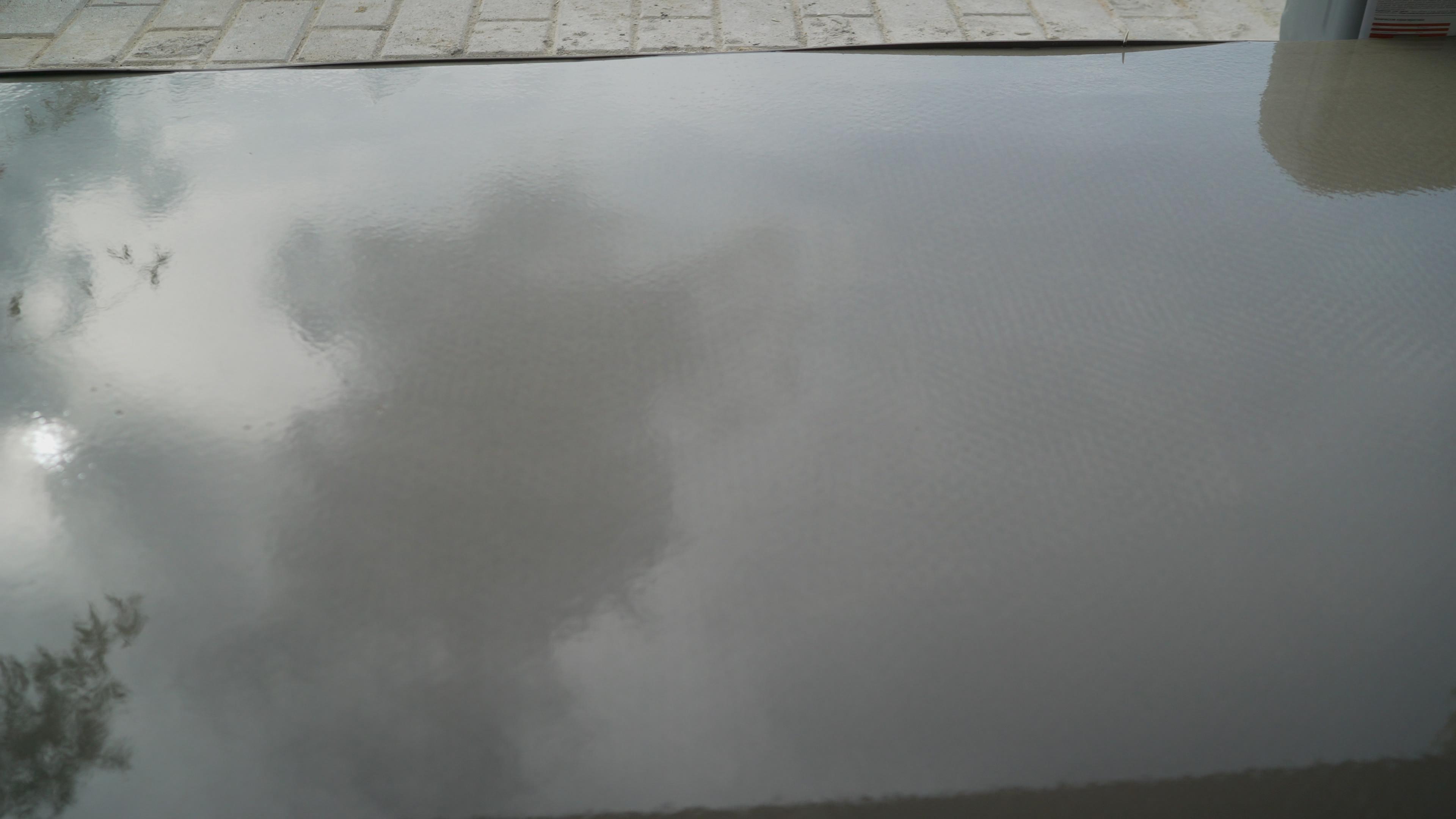
What Causes Amine Blush?
Amine blush primarily results from reactions involving amine curing agents, atmospheric carbon dioxide, and moisture during epoxy curing. When moisture condenses on the coating surface, reactive amine species react with carbon dioxide and water to form low-solubility amine carbamates and carbonates, which precipitate as the blushed layer.
Environmental conditions play a significant role in this process. Low temperatures slow the epoxy–amine curing reaction, extending the period during which the coating surface remains vulnerable. High relative humidity and condensation further increase the risk. However, susceptibility also depends on the curing agent's chemical structure, formulation, and the overall reactivity of the epoxy system.
How to Prevent Amine Blush
1. Control application conditions. Apply epoxy coatings within the temperature and humidity ranges specified in the technical data sheet (TDS). Keep the substrate temperature sufficiently above the dew point to prevent condensation during application and early curing.
2. Select a suitable curing agent. Different amine chemistries exhibit different levels of sensitivity to moisture and carbon dioxide. Properly designed modified amines and amine adducts may help reduce blush tendency, depending on the formulation and application conditions. Selection should be based on application-specific testing rather than curing-agent chemistry alone.
3. Optimize formulation and mixing. Maintain the recommended resin-to-hardener ratio and ensure thorough mixing. Incorrect proportions or inadequate mixing can cause incomplete curing and surface defects that may resemble amine blush.
4. Allow proper surface preparation before recoating. If blush occurs, remove it according to the coating manufacturer's recommendations, typically using water and a suitable cleaning method. Rinse thoroughly and allow the surface to dry before applying the next coat. Do not rely on solvent wiping alone.
Choosing the Right Epoxy Curing Agent
As an epoxy curing agent solution provider, Highfar offers a broad range of curing agent technologies for epoxy flooring, protective coatings, and other industrial applications. Our product portfolio includes polyamides, cycloaliphatic amines, phenalkamines and other amine-based curing agents designed to address different formulation and performance requirements.
Highfar HF-804, a modified cycloaliphatic amine curing agent, offers excellent resistance to amine blush. It is suitable for epoxy floor coatings and solvent-resistant pipeline protective coatings, helping formulators address demanding coating requirements while maintaining a high-quality surface finish.
Looking for an epoxy curing agent with excellent amine blush resistance? Contact Highfar to learn more about HF-804 and explore suitable curing agent solutions for your flooring and industrial protective coating applications.

Highfar National Service Hotline


